Ecommerce for distributors is becoming a strategic imperative in 2026
With more than 70% of distributors now operating online, ecommerce is no longer optional it is a core driver of revenue growth and operational strategy.
The distribution sector is undergoing a rapid digital transformation in 2026, as ecommerce channels move to the center of revenue generation and competitive positioning.
Enterprise insights reveal that over 70% of distributors now maintain active online sales platforms, with digital channels contributing an increasing share of total revenue.
Analysts describe this shift as structural rather than temporary. Distributors that once relied on phone orders, field sales, and manual workflows are now investing aggressively in ERP-integrated digital storefronts.
From traditional sales to digital first distribution
For decades, distributors operated through relationship driven sales models supported by internal order processing systems.
Today’s buyers expect self service ordering, real-time product availability, contract based pricing visibility, and live order tracking.
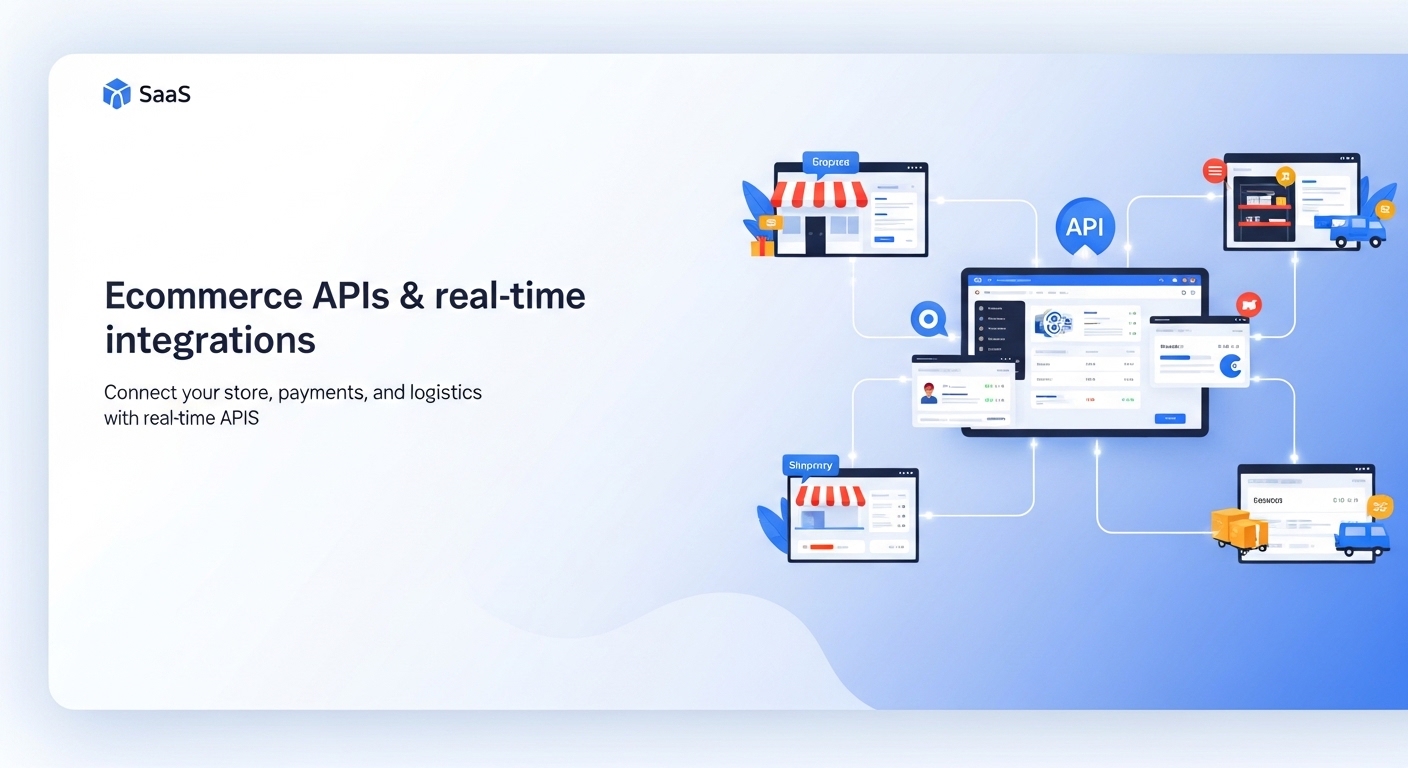
As a result, ecommerce platforms are no longer standalone catalogs. They are becoming integrated extensions of ERP systems, inventory databases, accounting tools, and logistics networks.
ERP and inventory integration becomes critical
The growth of online distribution has exposed the limits of disconnected systems.
Without real time integration, distributors face overselling, pricing inconsistencies, delayed invoicing, and fulfillment errors.
ERP integration enables instant inventory updates, automated pricing logic, tax processing, and synchronized financial records across channels.
Platforms such as Axiever are responding with API driven ERP architectures that unify order management, inventory tracking, procurement, and finance into a single ecosystem.
Revenue growth through digital channels
Enterprise research shows ecommerce contributing significantly to distributor revenue growth in 2026.
- Increased order frequency
- Higher average transaction values
- Reduced order processing costs
- Improved customer retention
Real time availability and automated reordering strengthen long-term buyer relationships while reducing reliance on manual sales processes.
Competitive pressure and market expectations
As ecommerce adoption expands, competitive pressure intensifies across the distribution landscape.
Buyers increasingly prefer distributors offering transparent pricing, real-time data visibility, and frictionless checkout experiences.
Analysts warn that distributors slow to modernize risk losing market share to digitally advanced competitors.
A defining year for digital distribution
Market observers describe 2026 as a defining year for digital distribution infrastructure.
The convergence of ecommerce growth, automation, and ERP integration is reshaping how distributors operate and scale.
Ecommerce is no longer simply an expansion channel it has become a strategic imperative requiring connected systems, integrated workflows, and scalable digital foundations.